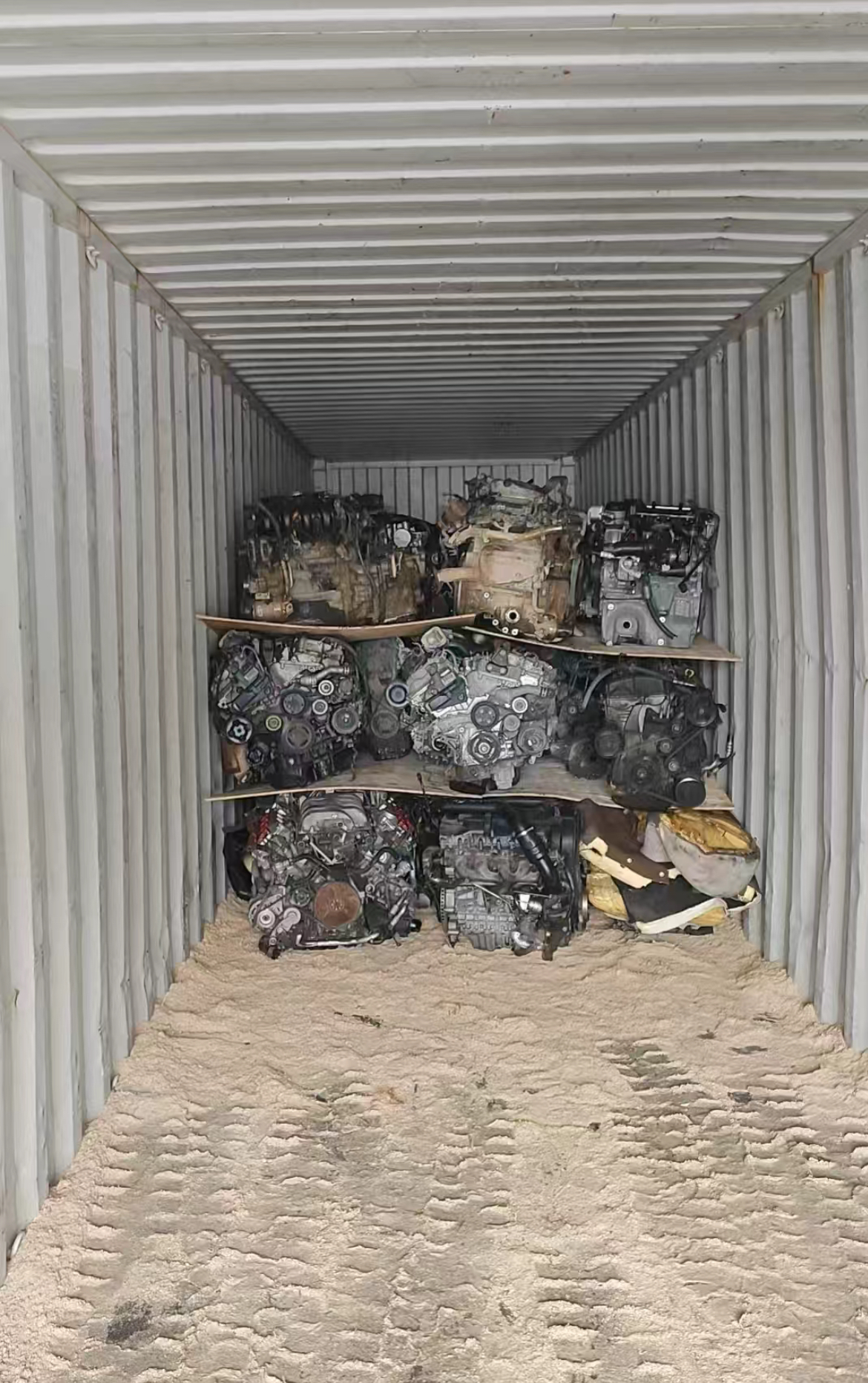
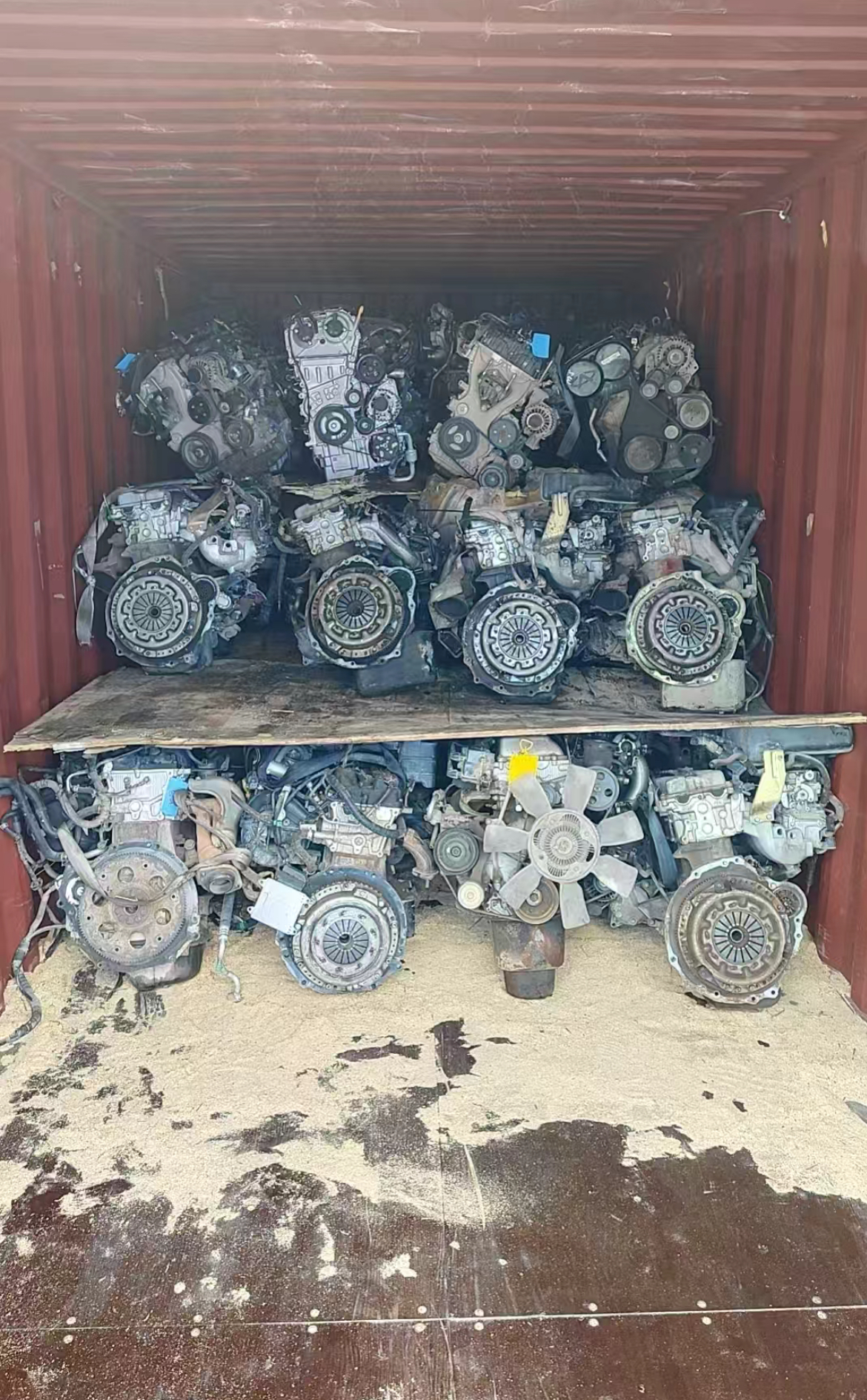
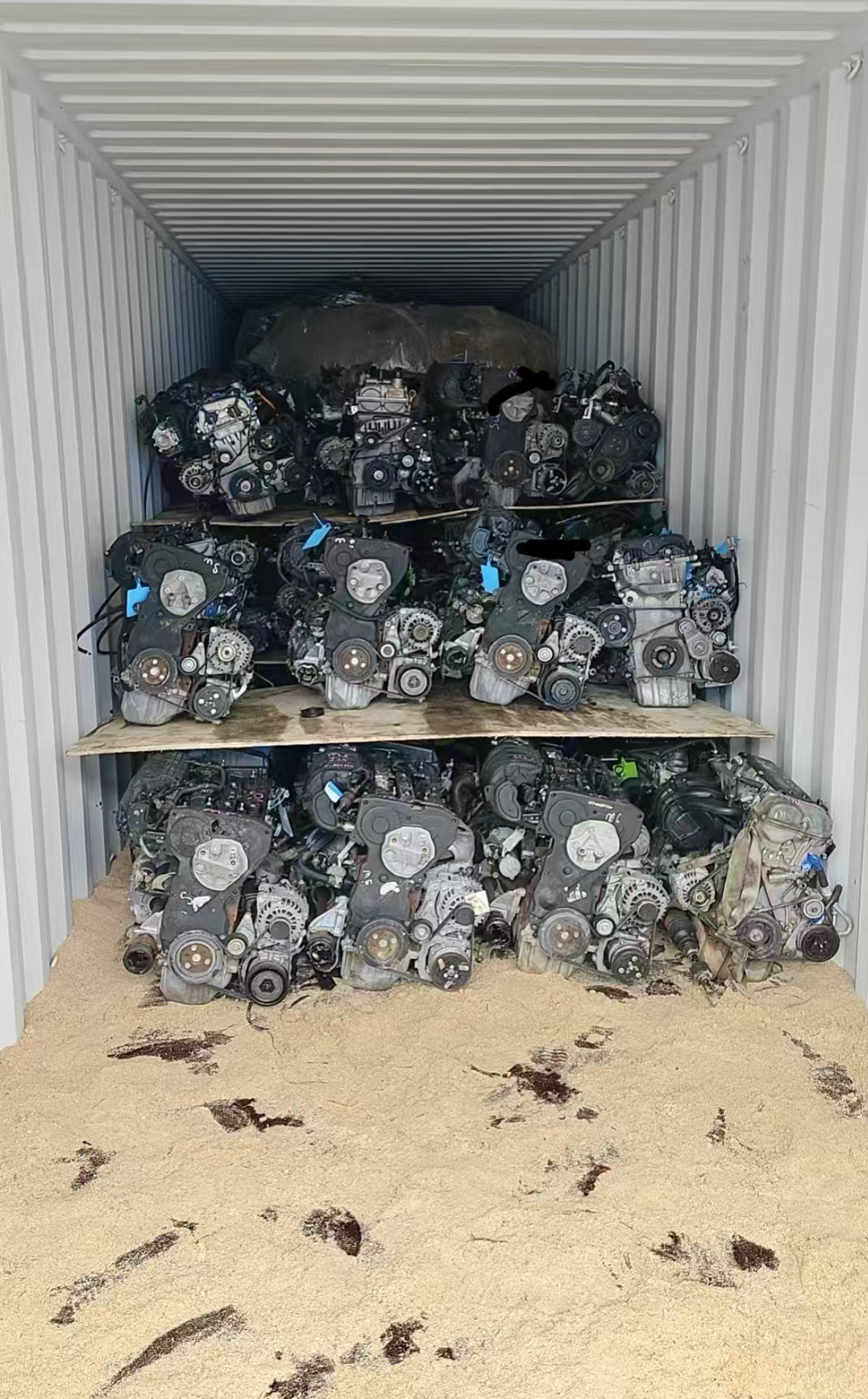
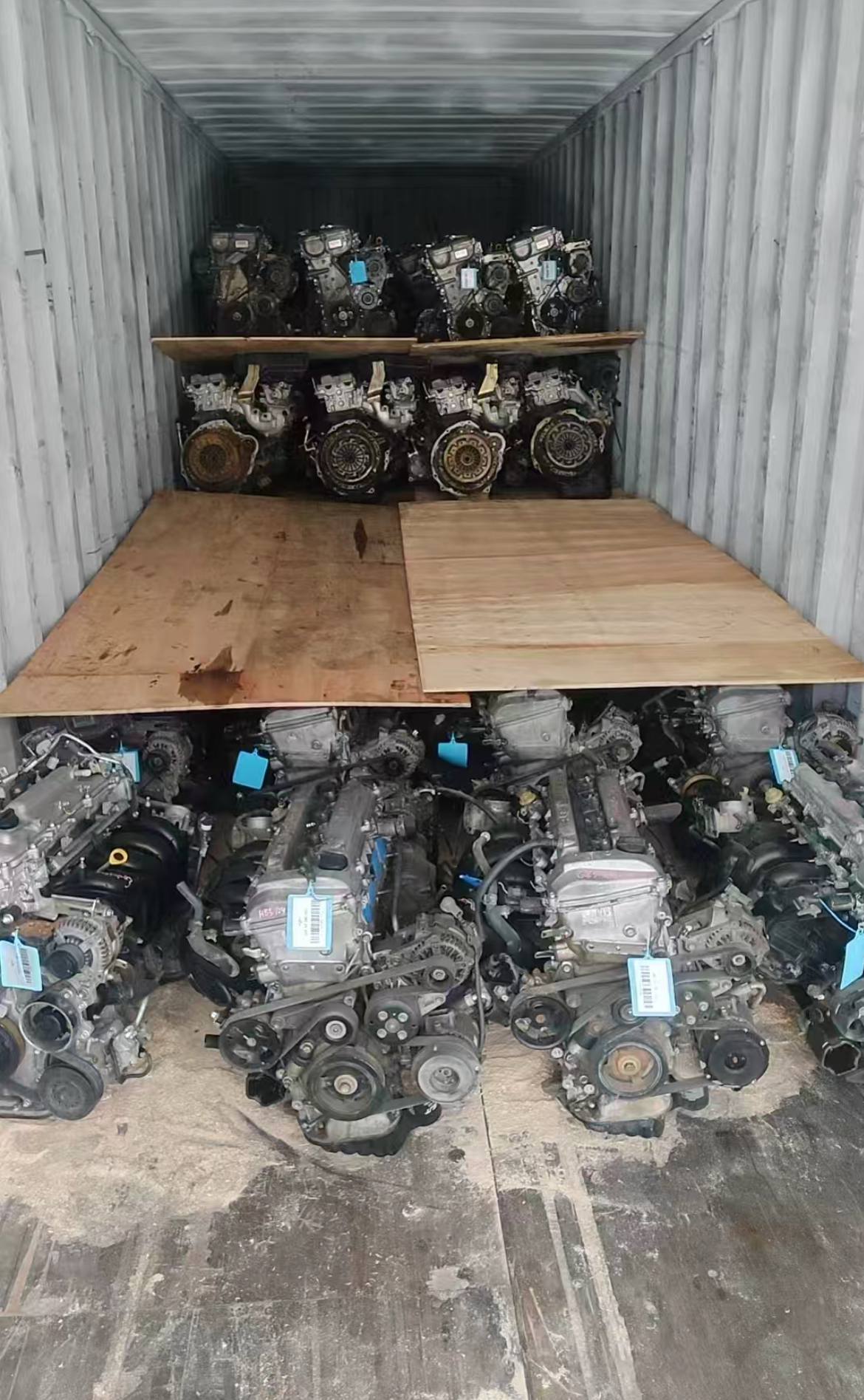
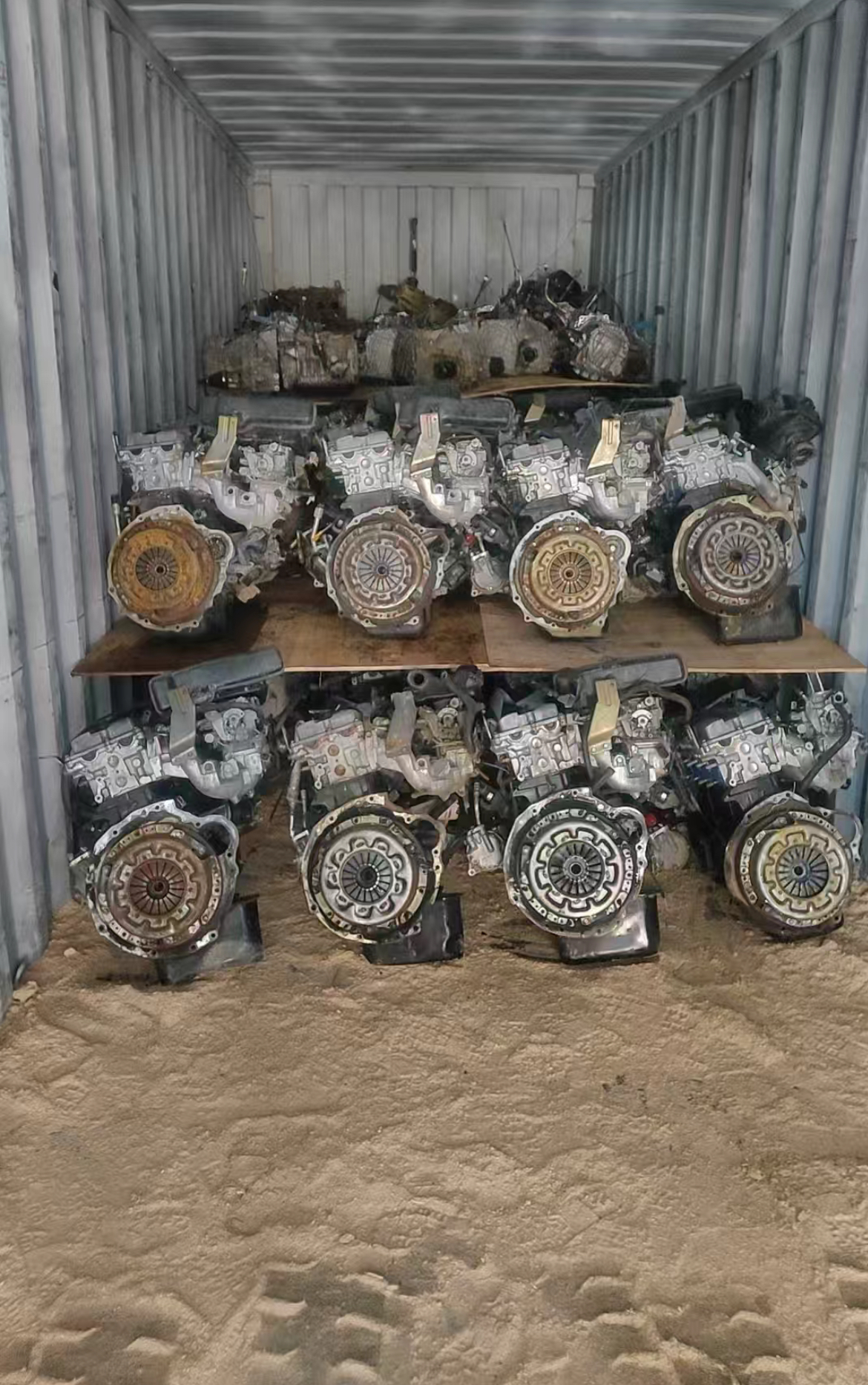
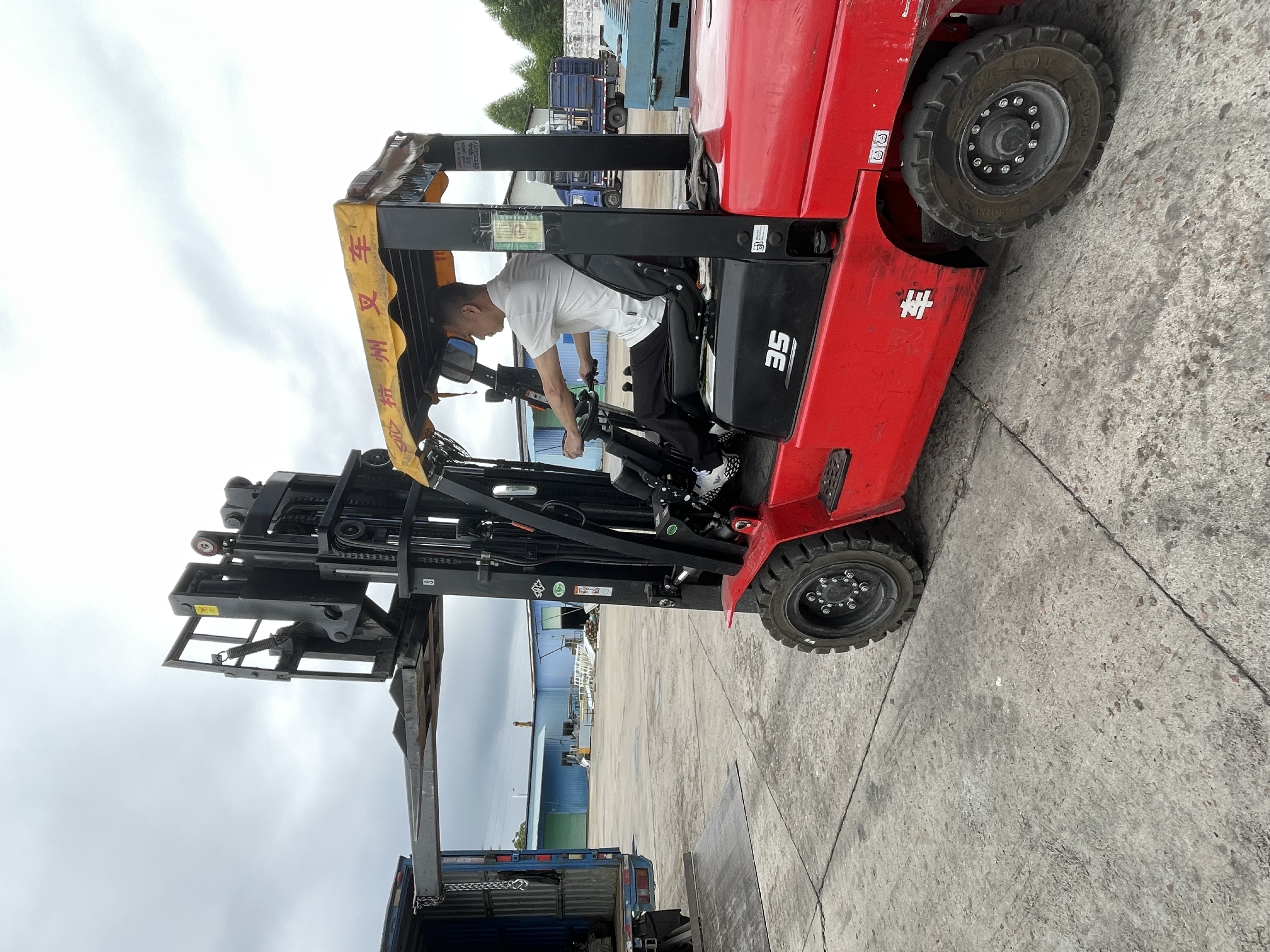
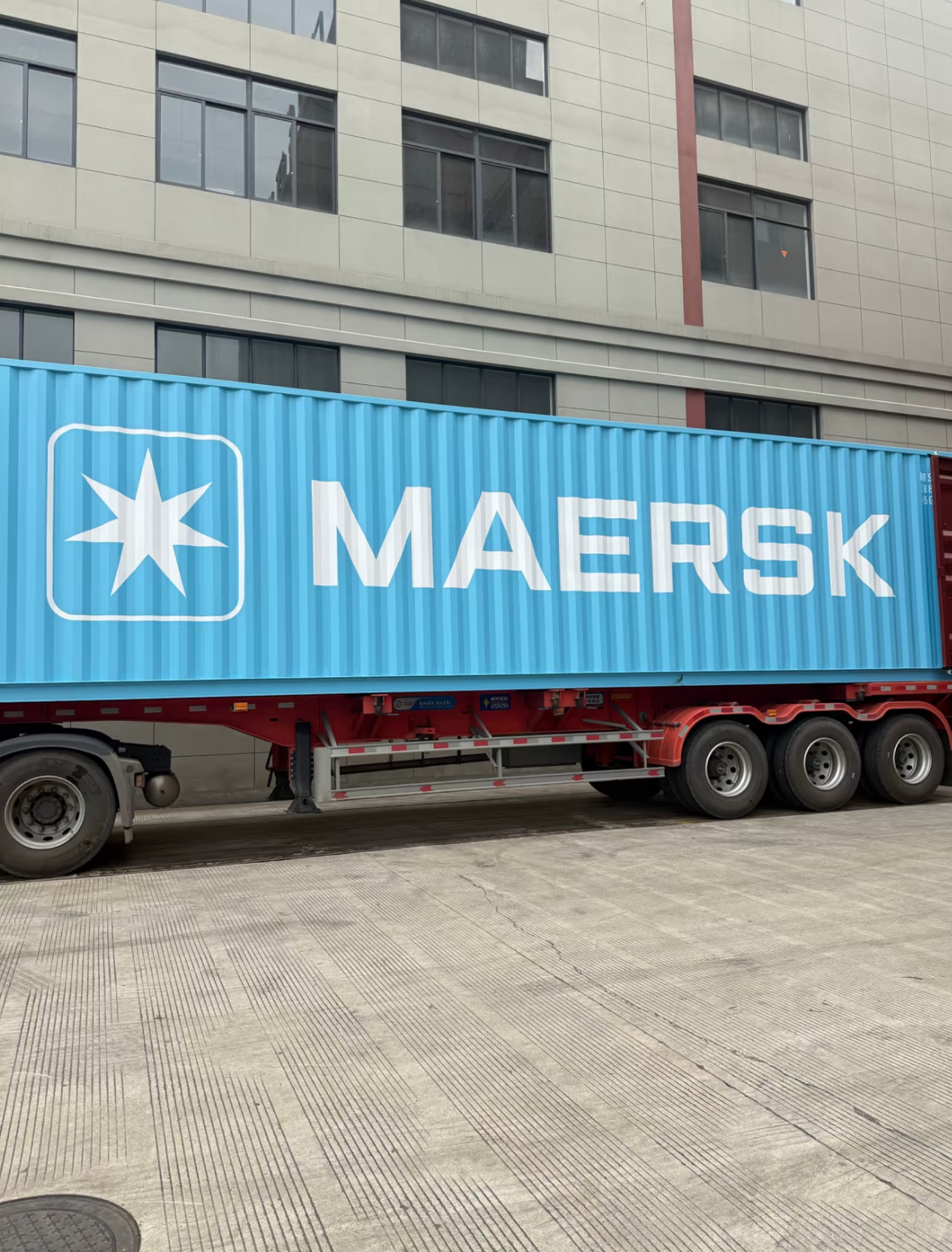
LSVANT serves wholesale buyers rather than retail customers. International sea freight and import processing take planning, which is why a batch order needs a clear unit list, packing plan and destination. Freight depends on the actual engines, quantity, packing and agreed delivery scope.
Start with the destination and quantity
State the destination country and, if known, the arrival port or delivery city. List the engine codes and quantities you need. Ask whether the proposed freight quote covers only transport to a port or another named destination, and confirm the named place in writing.
Confirm the packing plan
Ask how each unit will be secured and protected during handling, and whether accessories are packed with the engine or separately. Request packed dimensions, gross weight and packing photos when available. Confirm the packing method and any destination-specific requirements with your freight forwarder or customs broker.
Compare quotes on the same terms
Make sure each offer identifies the engine units, included parts, packing, freight scope, destination and the documents the seller will provide. A low engine price and a low delivered price are different comparisons. Ask who handles each part of the journey and what costs remain outside the quotation.
Check import rules before payment
Used-engine import rules, documentation and fees vary by country and can change. Ask a local customs broker to check the requirements for your destination before committing to an order. This site does not provide country-specific customs advice.
Engine codes and quantity · Destination country and port/city · Required arrival time, if relevant · Preferred freight scope · Any local packing or import requirements.
Before shipping, use the actual-unit inspection checklist to align your order with the engines being supplied.