
Used engines at direct-source prices.
We source directly from partner dismantling yards in China for overseas bulk buyers. Send your engine codes, quantity and destination for a competitive wholesale quote on actual available units.
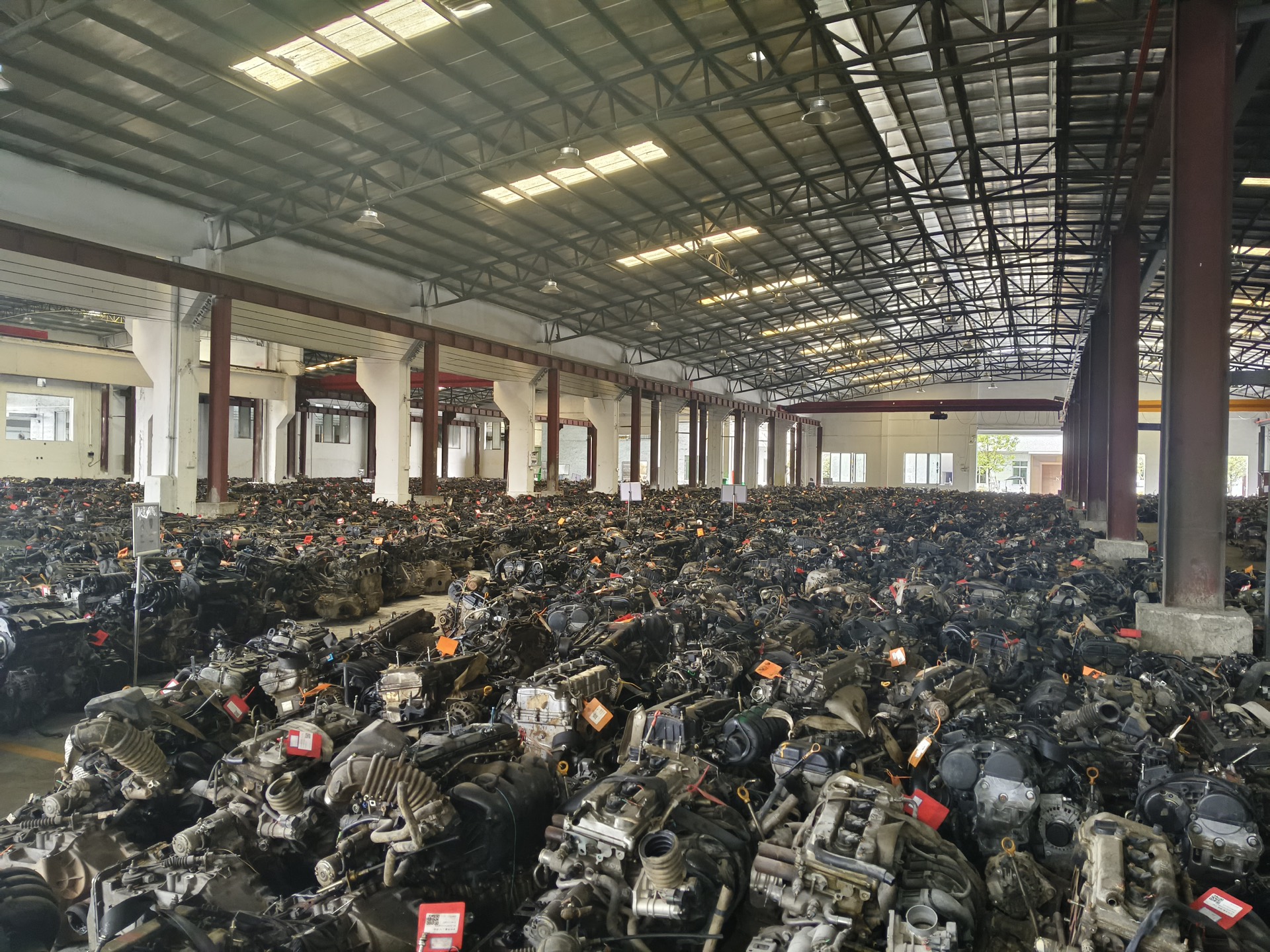
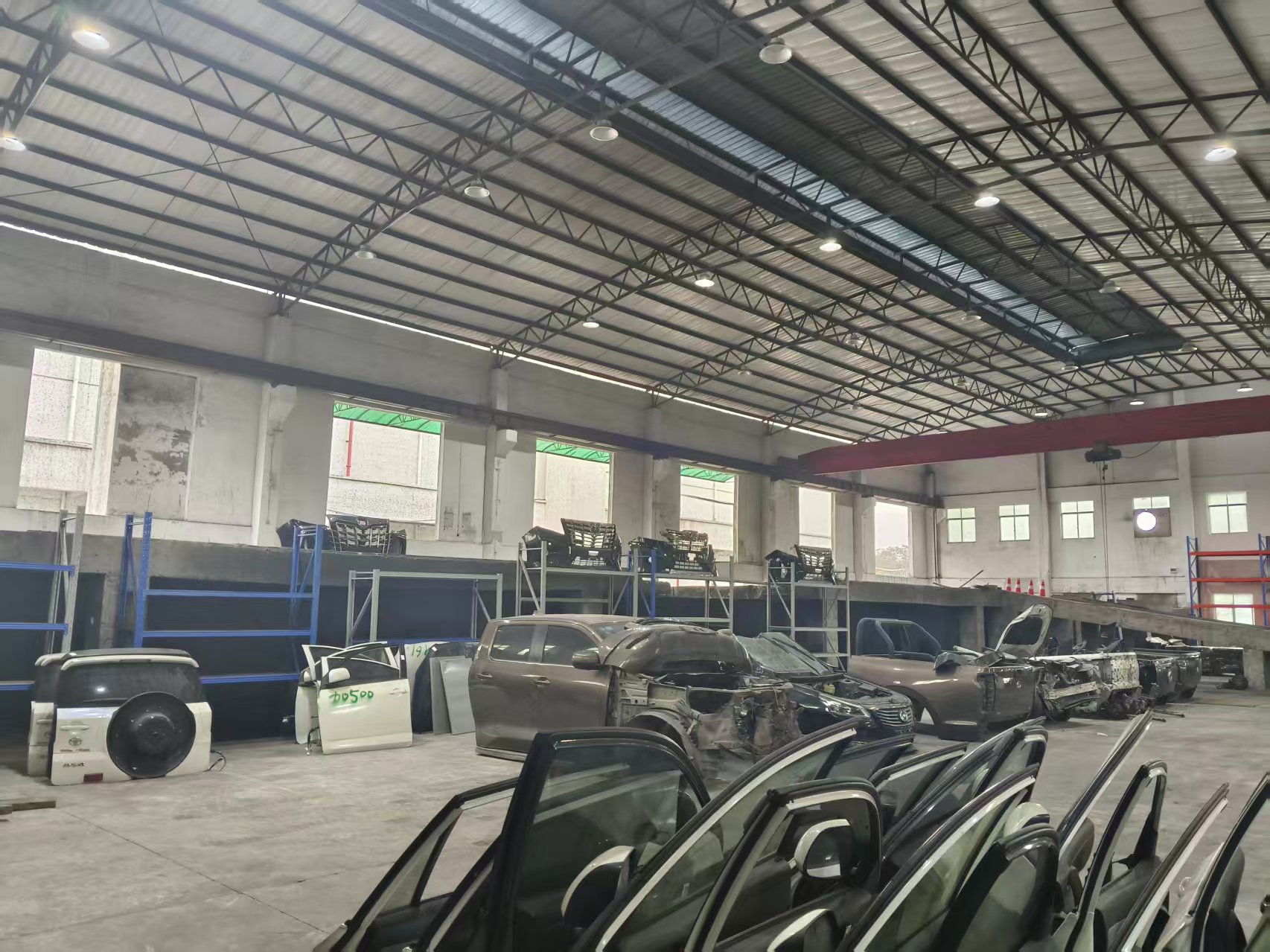 Vehicle dismantling area
Closer to the source. Priced for wholesale.
LSVANT works directly with partner vehicle dismantling yards in China. This sourcing route helps us offer competitive first-hand pricing for batch orders without presenting every model as ready stock.
Kevin checks the engine code, actual available units, condition, included parts and current unit photos or video before quoting. Final price depends on the engines offered, quantity, packing and agreed freight terms.
How our sourcing worksStart with a code, not a guess.
The directory records models and configurations handled or sourced. Some may be in stock; others need a fresh availability check.
Transmission and drivetrain variants matter. Share vehicle details so the proposed engine can be checked against your requirement.
Explore all 362 model referencesKnow what you are buying.
Used engines are not interchangeable by name alone. Confirm the details of the actual unit before an order is agreed.
Engine code, nameplate, vehicle application and configuration.
Visible condition, known defects, mileage when documented and inspection media.
Included accessories, transmission, wiring and other components.
Packing, destination, freight terms and after-sales conditions in writing.
Read the buyer guide for a practical inquiry checklist.
Useful questions before you buy.
Use these checklists to compare offers for the exact unit and destination you need.
See the engine sourcing environment.
This short video shows rows of used engines from the sourcing side in China. It is general footage, not proof of the condition or availability of a specific listed model.
For a quotation, request current photos, code and nameplate images, and any inspection or running video available for the actual engine offered.
Request unit mediaReal views from the supply side.
These photos show partner-yard and engine storage settings in China. Request current photos and video of the exact unit offered in your quotation.
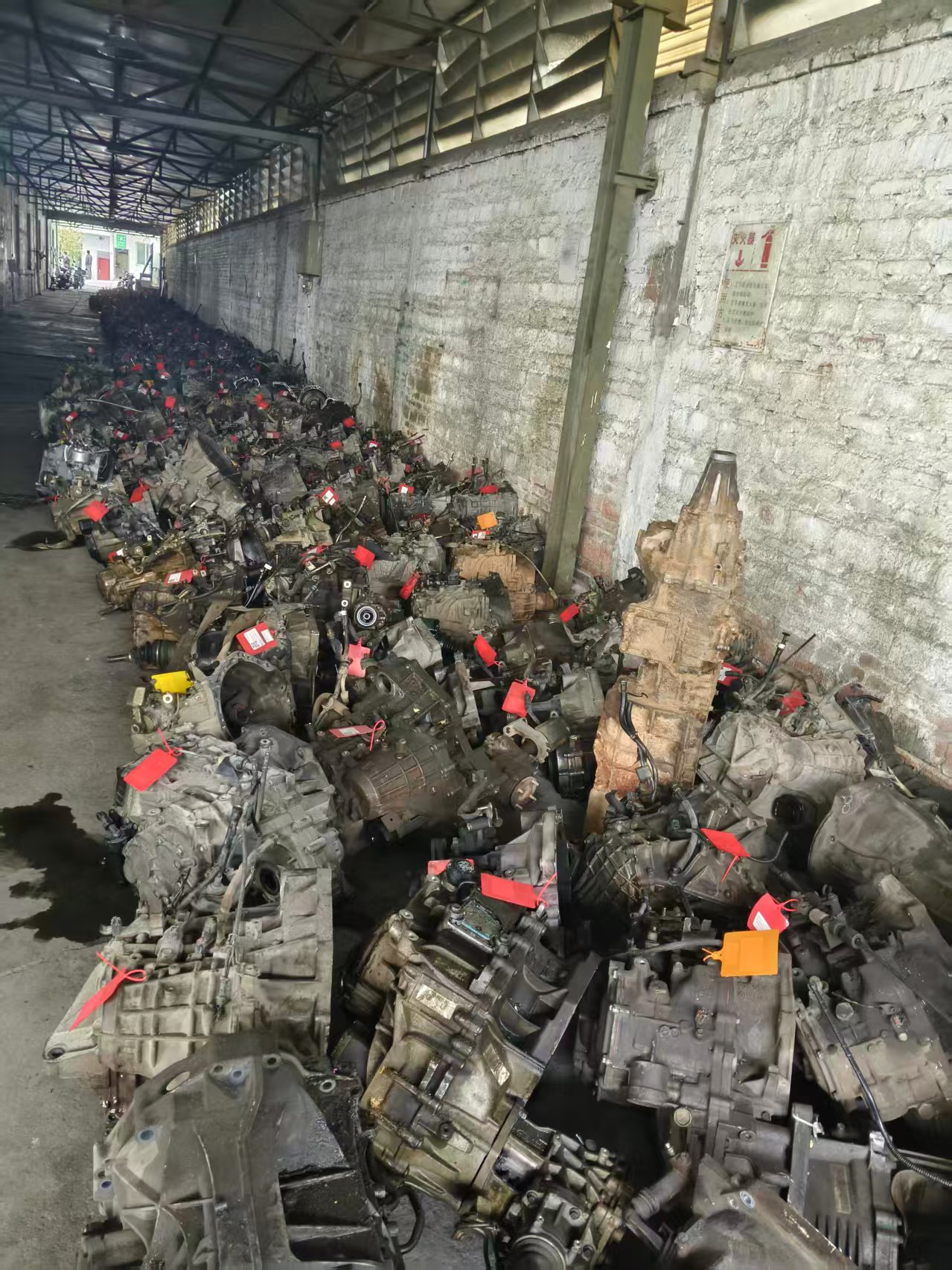
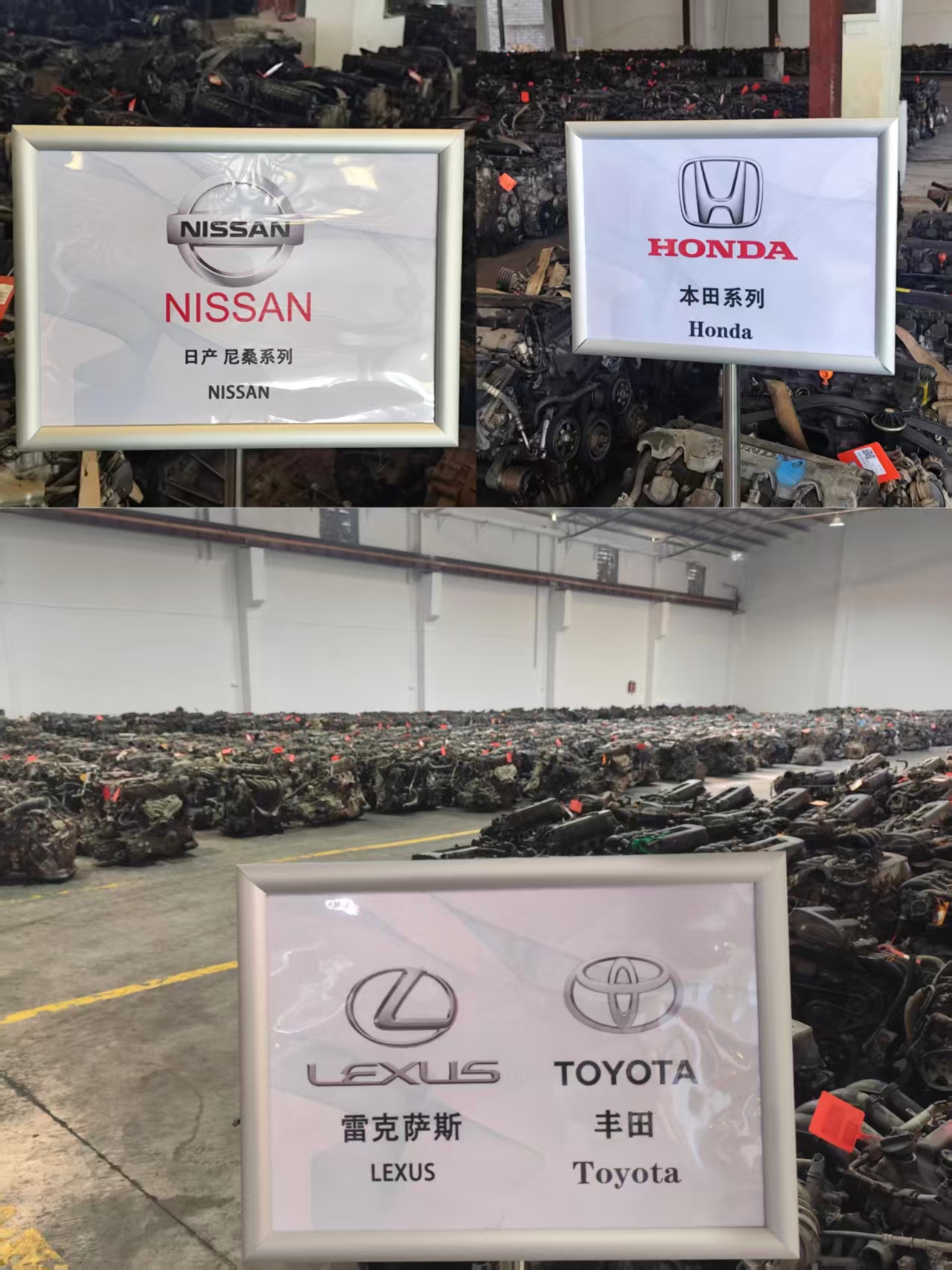
Before you send an inquiry
A few answers that help trade buyers compare offers accurately.
Do you sell to retail customers?
No. LSVANT handles wholesale inquiries from importers, distributors and trade buyers with batch requirements. International sea freight is better planned as a bulk purchase than as an urgent one-off replacement.
Why can you offer source-direct pricing?
We buy directly through partner dismantling yards in China and quote for the actual batch available. Price still depends on unit condition, included parts, quantity, packing and freight terms.
Are all 362 models currently in stock?
No. The list combines current and previously handled models. Ask for the exact model and quantity so Kevin can confirm current supply.
Can I request a video of the engine?
Yes. Ask for unit-specific photos and available inspection or running video. The sample video above should not be used to judge a different unit.
What should I include in the first message?
Send the engine code, vehicle model and year, transmission and drivetrain requirements, batch quantity, accessories needed, and destination country.
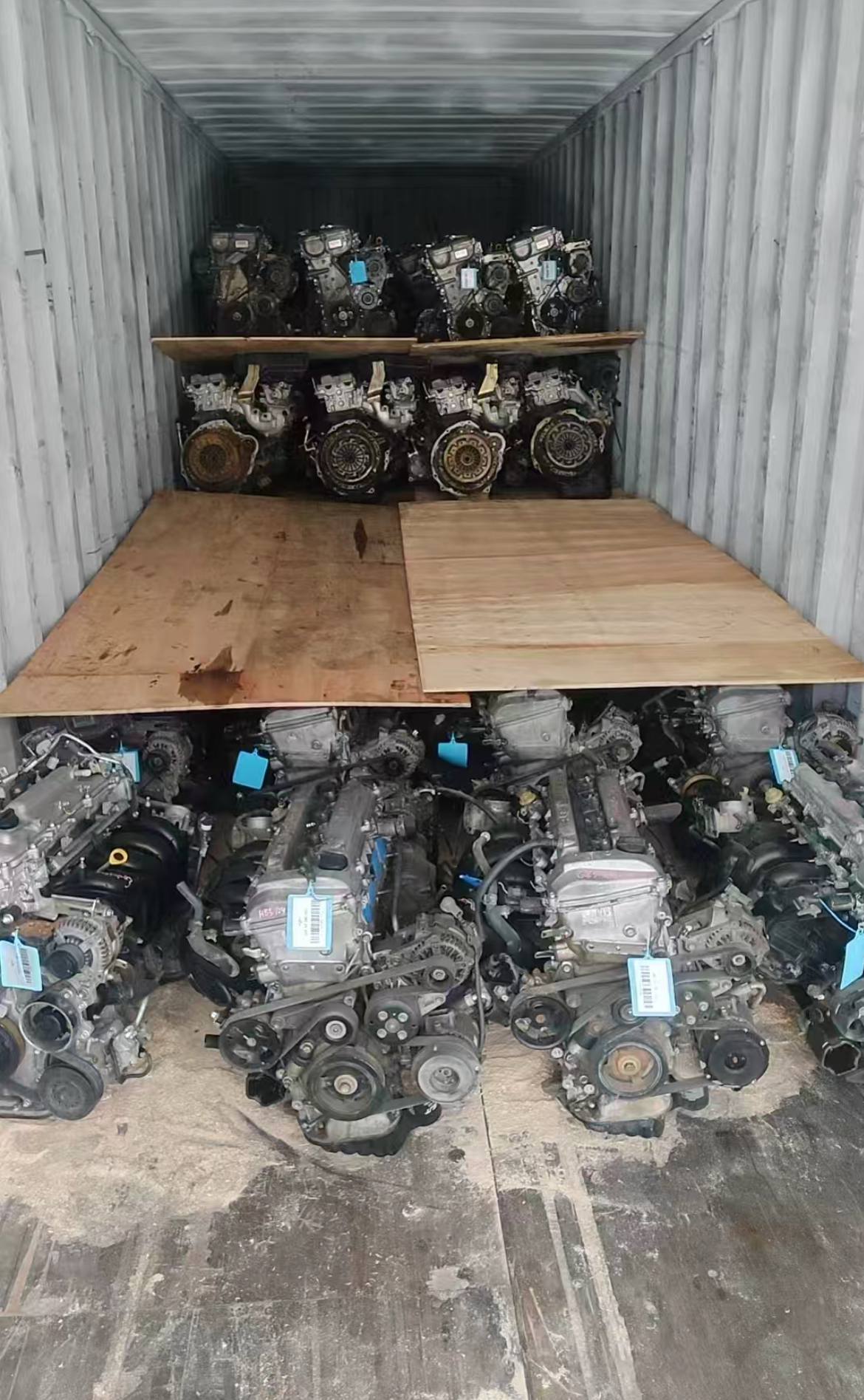
See used engines in containers.
View real container loading photos, then tell us where the engines are going and how many units you need. Packing, freight scope and trade terms are discussed for each order.
Photos show loading examples; unit lists and packing details are confirmed for the specific shipment.
View container loading photosLSVANT, backed by Guanyu.
LSVANT is the used-engine brand presented by Yuhuan Guanyu International Trade Co., Ltd. This site helps buyers specify engine requirements clearly. For the company's wider auto-parts business, visit its main site.
Visit the company auto-parts site“The most useful first step is an exact code and a clear requirement. The next step is evidence for the particular unit offered.”
Used-engine sourcing principle