
A container photo is useful evidence of the loading process. For a wholesale used-engine order, it should sit alongside an agreed unit list, packing information and written delivery scope. Use the checklist below to keep those records connected before the shipment leaves the supply side.
Confirm the final unit list
List every engine model and quantity, along with the identifiers or supplier references used in the quotation. If several configurations are included, keep them on separate lines. Match current photos and any available inspection video to the offered units, and record the included accessories and exclusions.
If a substitution is proposed during preparation, ask for the replacement unit’s evidence and confirm the change in writing. A model code alone is not a substitute for an agreed final unit list.
Agree the packing information before loading
Ask how units and any separate accessories will be packed, protected and identified. Request packed dimensions, gross weight and packing photos when available. Make sure the proposed method can be reviewed by your freight forwarder, particularly when your destination has specific packing requirements.
Loading photos show an example or a particular moment in preparation. They should not be used to assume that a packing or securing method is suitable for every shipment. Ask the parties responsible for transport to confirm the arrangement for your actual order.
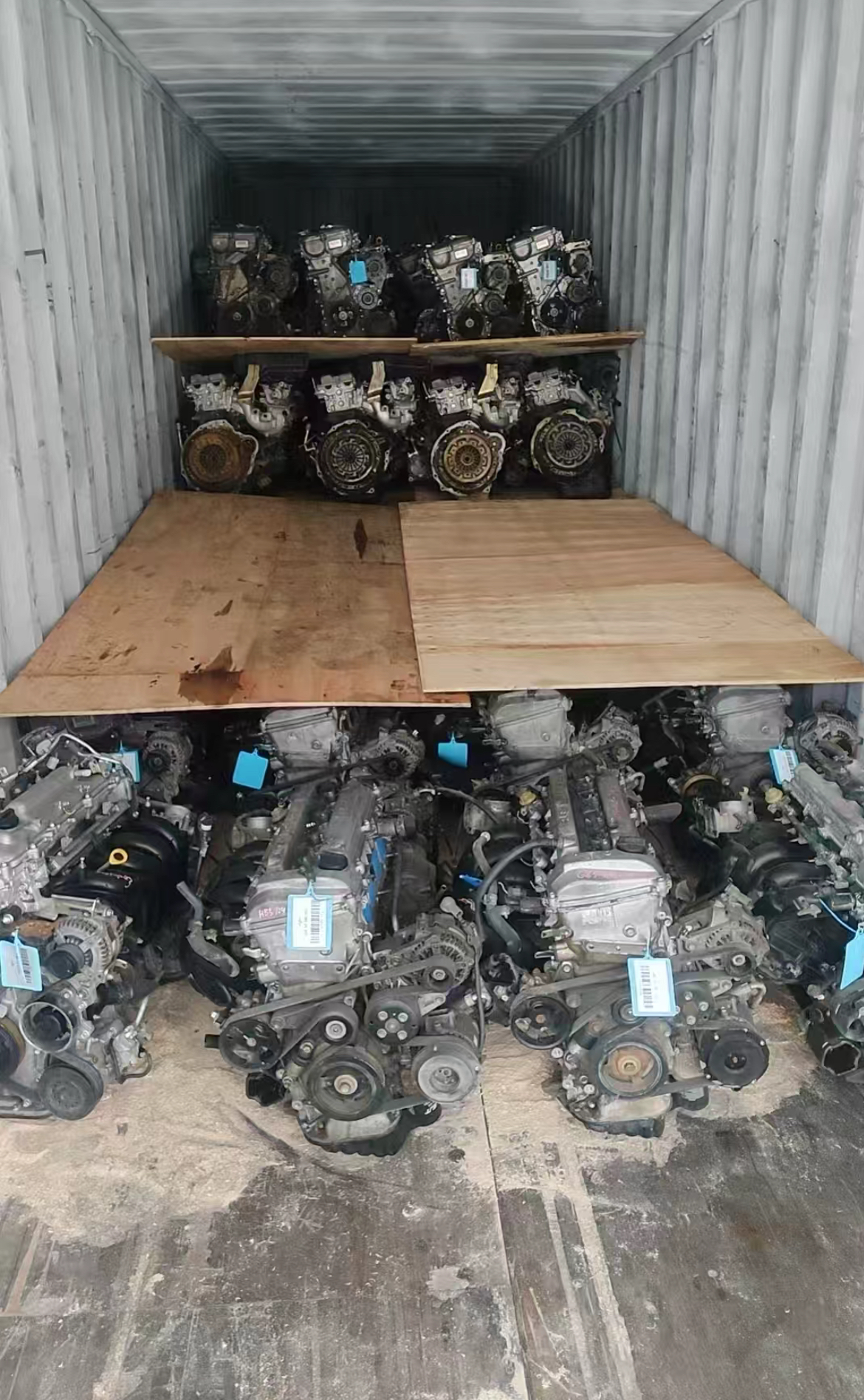
Request loading evidence for your order
Ask for photos that show the unit references, packed items and loading progress for the shipment being prepared. Agree how the supplier will identify separately packed accessories. Request the relevant packing list and transport documents through the agreed business channel.
Check that the quantities on the documents match the confirmed order. If something is unclear, resolve it with the supplier and forwarder before treating the loading photos as final confirmation.
Make the delivery scope explicit
State the destination country and named port or delivery place. Ask what the freight quotation includes, which party handles each part of the journey, and which charges remain outside the quote. Keep the agreed terms in the order record so your purchasing and logistics teams are working from the same information.
Do not assume that a shipment arranged to a port includes local clearance or onward delivery. Check the written scope and ask your local broker or forwarder to confirm destination requirements before committing to the order.
Plan the receiving check
Agree the inspection window and after-sales terms before shipment. On arrival, follow your receiving procedure to record the delivered quantities, visible condition and any discrepancies against the packing list. Keep the supplier’s unit evidence, loading photos and documents with the order record.
LSVANT works with overseas importers, wholesalers and other trade buyers. Sea freight and import processing are planned around batch requirements; consumer retail orders are not accepted. Shipping times and arrangements are discussed for the actual destination and order.
Prepare your destination enquiry
Send your engine codes, quantity per model, destination and preferred delivery scope to Kevin. He will check supply and discuss the packing and freight requirements for the proposed batch. View our container loading photos and truck loading videos, or request a wholesale quotation.